Sallynda Script: A Brush‑Ink Typeface for Memorable Branding
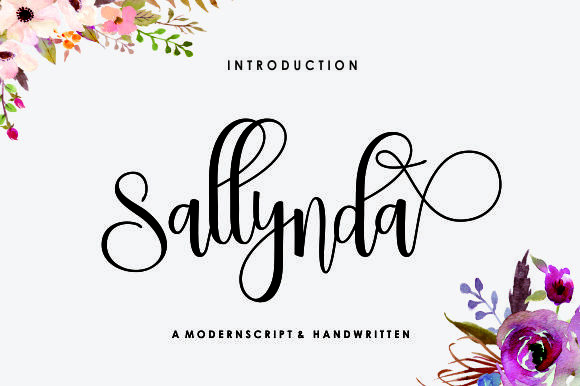
A few weeks ago I sat at my kitchen table with a stack of blank kraft paper cards, a fresh stamp of our little shop logo, and a cup of coffee that was already going cold. I wanted to update our thank‑you notes — something small that would slip into each package and feel as personal as the product itself. The default handwritten font I had been using was fine, but it looked a little too neat, a little too predictable. Then a designer friend pointed me toward the Sallynda Script, and I honestly haven’t looked back since. The Sallynda is a modern script font created with a brush and actual ink, and it carries that wonderfully irregular baseline that makes every word feel as though it was penned by a real person at a quiet studio table. It’s part of that growing family of script handwritten fonts that don’t try to be perfect. Instead, they lean into the human hand — the slight bounce, the varying stroke width, the way an l might dance a little above the line and a y might trail off into a soft curl. For a small business like mine, that personality is everything.
When you’re running a product‑based business — whether it’s a candle shop, a bakery, a boutique, or a wedding stationery studio — the typefaces you choose are saying something about you long before a customer reads the words. A script with authentic brush texture can turn a simple tag into a keepsake. The Sallynda Script belongs squarely in that premium font category, offering the kind of high‑end, handcrafted feel that usually takes years of lettering practice to achieve. The irregular baseline is intentional, not messy, and that distinction matters. It mimics the natural movement of a brush on cotton paper, which is why so many creative professionals are discovering it for watercolor designs, blog headers, branding, t‑shirts, weddings, and social media graphics. What I love is that it never shouts; it invites the viewer in with warmth. And for any maker who wants to look polished without feeling corporate, this typeface does the heavy lifting. It’s a display font at heart, meant for the moments that matter — the names on an invitation, the headline on a product label, the hero text on a site banner.
Sallynda Script for Wedding Invitations and Elegant Branding
When you browse script handwritten fonts for wedding stationery suites, it’s easy to drown in options that all start to feel the same — delicate, slanted, a little too precious. The Sallynda Script cuts through that noise with a modern brush personality that works beautifully for wedding invitations, save‑the‑date cards, and ceremony signage. Its ink‑drawn quality holds just enough grit to feel genuine, while the flowing ligatures and varied baseline add a bespoke luxury that couples look for. I’ve seen this font elevate a simple vellum wrap around a deckle‑edge invite into something that guests want to pin on their inspiration boards. As a font that bridges the gap between hand‑painted custom work and accessible digital design, Sallynda becomes a reliable creative partner for wedding planners and calligraphy studios building a signature brand. It shines when used for names, short phrases, or the large display text that sets the mood — think “Mr. & Mrs.” in oversized brushstrokes across a welcome sign. Pair it with a muted watercolor wash background, and the irregular baseline feels utterly harmonious. For branding that wants to feel romantic but never outdated, this is the kind of typeface that repeatedly pays for itself.
Using Sallynda Script on T‑Shirts and Apparel Merchandise
For apparel entrepreneurs scouring fonts that can translate from screen to fabric, Sallynda Script offers a standout solution in a sea of script handwritten choices. The brush and ink origin means the alphabet carries organic thickness variations that screen print and direct‑to‑garment processes reproduce beautifully. When you place a short inspirational quote or a brand name across the chest of a tee, the irregular baseline adds movement — it looks intentional, like a custom commissioned piece, not like the words were simply typed out. I’ve helped a friend test it on a small batch of terry‑cloth sweatshirts and the result felt elevated boutique, with every letter retaining its character even at larger sizes. Readability remains strong because the letterforms are recognizable and the contrast between upstrokes and downstrokes is distinct. It works especially well for boho‑inspired collections, motivational wear, or any line that leans into an artistic, maker‑driven identity. Just remember that script handwritten fonts like Sallynda are best reserved for headlines or a single striking word on a tee; pair the main message with a straightforward sans serif for any supporting text, and the design will feel deliberate from the first glance.
Sallynda Script in Watercolor Designs and Floral Branding Projects
In the realm of script handwritten fonts designed to live inside watercolor artwork, Sallynda Script feels like a natural extension of the paintbrush itself. The ink‑based origin and irregular baseline visually echo the wet‑on‑wet blooms and soft edges of watercolor botanicals, making it a favorite for floral brand identities, custom illustrations, and packaging that leans organic. Imagine a blush‑toned watercolor wreath encircling a salon logo, or a sprig of eucalyptus tucked beside a hand‑lettered candle label — Sallynda slips into that world without a single stiff edge. For my own candle jar labels, I experimented with printing the scent name in Sallynda in a deep charcoal on a textured cream stock, and the result felt curated, artisanal, and entirely in step with the natural wax look. The slight baseline bounce prevented the label from feeling machine‑made, which for a handmade business is a non‑negotiable. Whether you’re designing wedding favor tags, honey jar stickers, or even the header of a floral photographer’s site, this modern script creates a visual soft sell that comforts the customer. It implies care, and in the world of handmade and botanical goods, that implication is half the trust.
Sallynda Script for Blog Headers and Social Media Graphics
Among fonts created for blog headers and social media visuals, the Sallynda Script consistently draws the eye with a voice that’s both editorial and approachable. A lifestyle blogger, for instance, can use it on a featured image over a softly lit flatlay, and the brush script instantly signals that the post will be personal, not pitchy. The irregular baseline works wonderfully in shorter phrases — recipe titles, inspirational quotes on Instagram feeds, or the hero text on a coaching site. Because the font reads clearly on screens at a generous size, it performs well for Pinterest pins and YouTube thumbnails, where that handcrafted look encourages clicks by feeling less like an ad and more like a friend’s note. When I updated my own online shop banner to include a tagline set in Sallynda, the bounce of the script drew the eye to the message without competing with the product photo. For business owners growing their presence on TikTok or Reels, using this font for opening text overlays creates instant warmth. Pair it with a light, clean sans serif for any smaller details — the contrast in letter structure makes the design feel intentionally built, not quickly generated. And because script handwritten fonts are increasingly used in digital storytelling, Sallynda helps a brand stand out in a feed full of generic typography.
Sallynda Script Font Pairing with Clean Sans Serif Fonts
When working with script handwritten fonts for a complete brand system, the reliability of your supporting typefaces matters just as much as the hero display script. I’ve found that Sallynda Script naturally pairs with clean sans serif fonts — think a geometric sans like Futura, a neutral workhorse like Inter, or even a light weight of Montserrat. The key is to let Sallynda handle the personality and let the sans serif handle the clarity. If you’re designing product packaging, try Sallynda for the product name and the sans serif for the net weight, ingredients, or tagline. In a logo lockup, the brush script can carry the business name while the sans serif holds a short descriptor beneath. The irregular baseline and organic strokes move, so the contrast against a straight, even sans serif becomes pleasing, even tactile. I’ve also seen lovely results pairing Sallynda with a classic serif font for a more editorial feel — ideal for stationery or printed lookbooks. Whatever combination you choose, test it at multiple sizes and on both screen and paper. A quick mockup on a brown paper bag or a phone screen tells you instantly whether the hierarchy feels right. Remember that Sallynda Script is best treated as a display accent; giving it breathing room preserves the hand‑drawn charm and keeps the overall design from feeling cluttered.
What to Check Before Using Sallynda Script for Commercial Projects
Before you commit any script handwritten font to your product line or client work, taking a few minutes to explore the technical details saves headaches down the road. With Sallynda Script, I recommend opening the font file and inspecting the full character set. Look for alternates — those bonus letterforms that let you swap in a different a or a trailing swash — because they can completely change the rhythm of a word. Check whether the file includes ligatures; well‑crafted ligatures make common letter pairs like “th” or “oo” flow as they would in authentic brush writing. Also confirm which file formats are included. Most professional fonts come in OTF and TTF, but if you’re using design software like Procreate on an iPad, you’ll want to ensure compatibility. Verify multilingual support if your products ship internationally or if you create labels in multiple languages; nothing frustrates faster than discovering missing accents. Finally, and this is crucial for any business using fonts on physical goods, read the commercial font license. Whether you’re printing thank‑you cards, attaching a digital file logo to a client’s brand kit, or producing merchandise for sale, you need the correct usage rights. The Sallynda Script license usually covers a wide range of small business applications, but it’s always wise to confirm. A font that elevates your branding should also give you complete peace of mind. Once those boxes are ticked, you’re free to let that beautiful brush‑and‑ink personality speak for your work, consistent and memorable across every touchpoint.